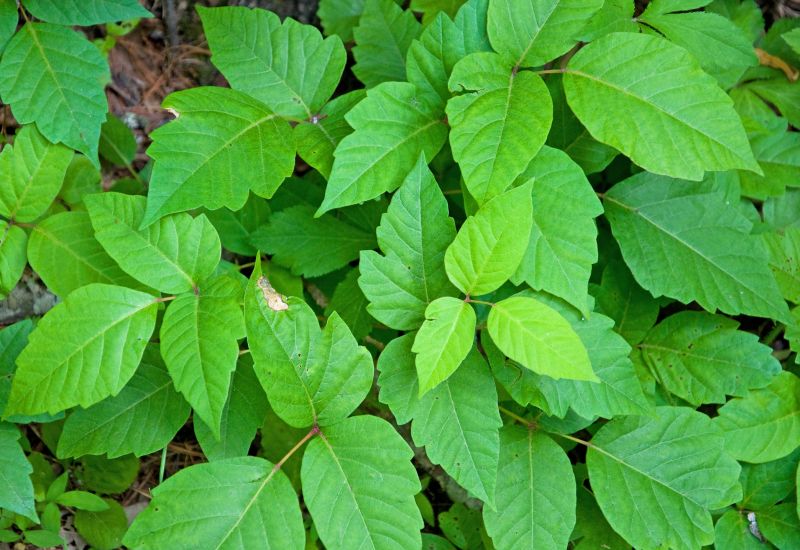
Poison Ivy Removal in Delaware County, PA
Poison ivy removal services focus on safely eliminating this invasive plant from residential properties, helping homeowners maintain a safe and attractive outdoor environment. These services typically cover projects such as clearing poison ivy from yards, gardens, fences, and around trees or structures. Property owners should understand that effective removal involves identifying all affected areas, especially in hard-to-reach spots, to prevent regrowth and reduce the risk of skin irritation or allergic reactions.
Before requesting poison ivy removal, homeowners often want to know about the methods used to ensure safety and thoroughness, as well as any precautions needed during and after the process. It’s important to clarify whether removal includes root eradication to prevent future growth and to discuss any potential impact on surrounding plants or landscaping. Proper removal helps maintain property safety and aesthetic appeal, making it easier to enjoy outdoor spaces without concern about contact with this troublesome plant.
Many property owners in Delaware County, PA look into Poison Ivy Removal for repairs, replacements, upgrades, and appearance-related improvements.
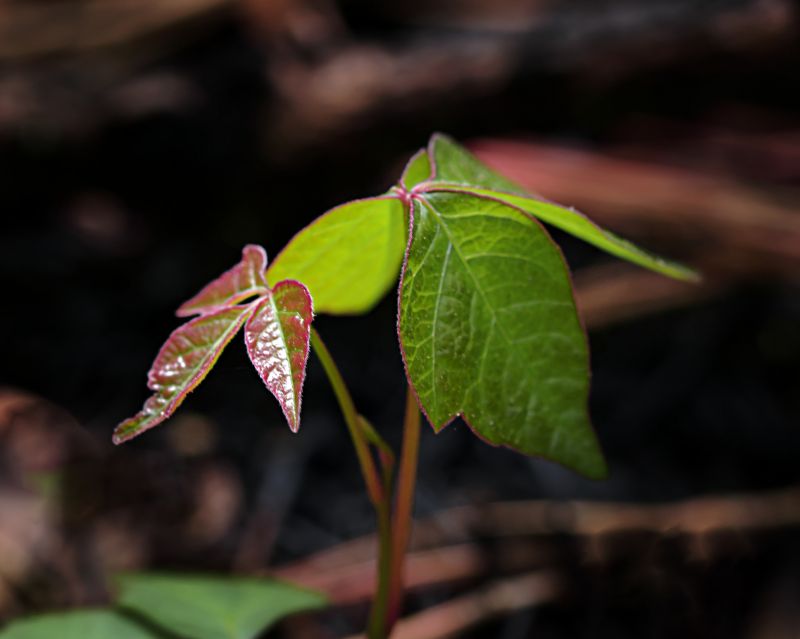
Identifying Poison Ivy
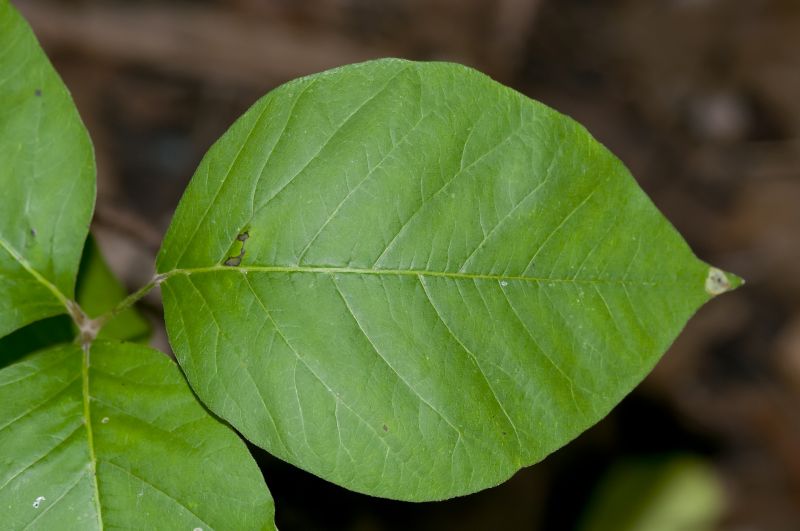
Recognizing poison ivy growth helps prevent skin irritation and property damage.
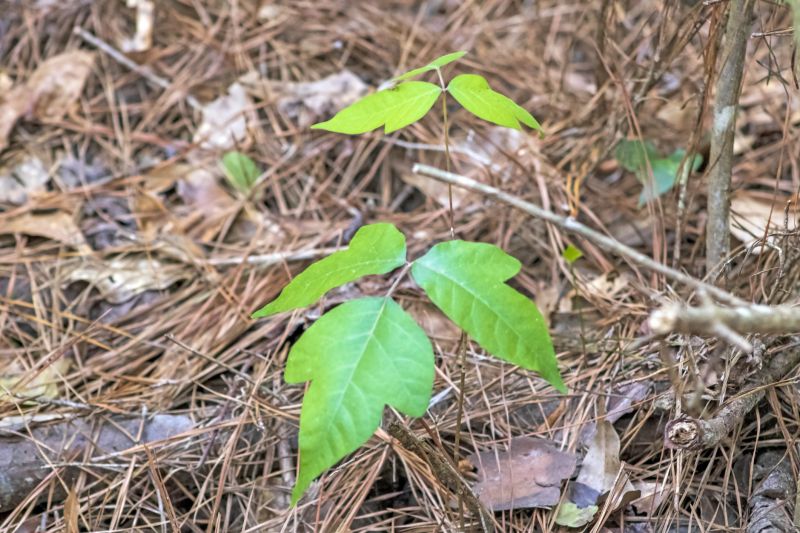
Safety During Removal
Proper removal techniques ensure safety and prevent the spread of the plants to surrounding areas.
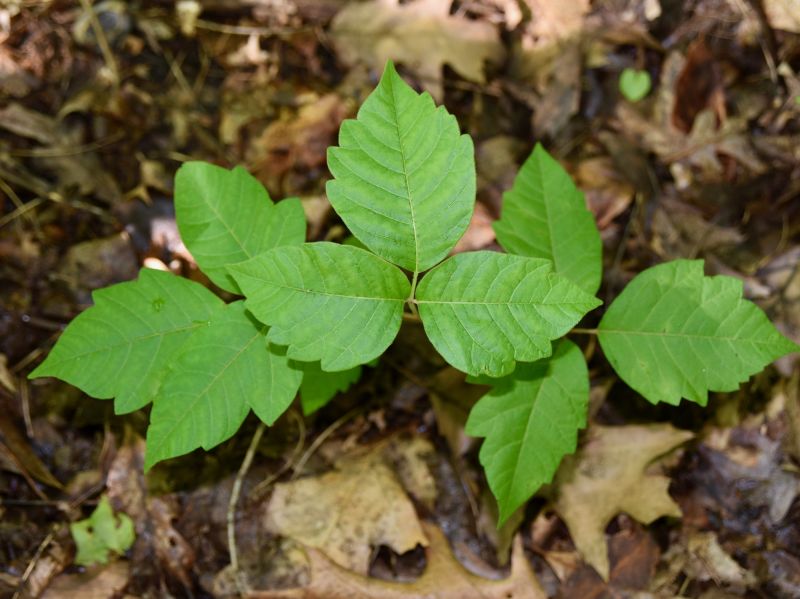
Property Preservation
Removing poison ivy maintains landscape health and protects outdoor spaces in delaware county, pa.
Poison Ivy Removal in Delaware County, PA
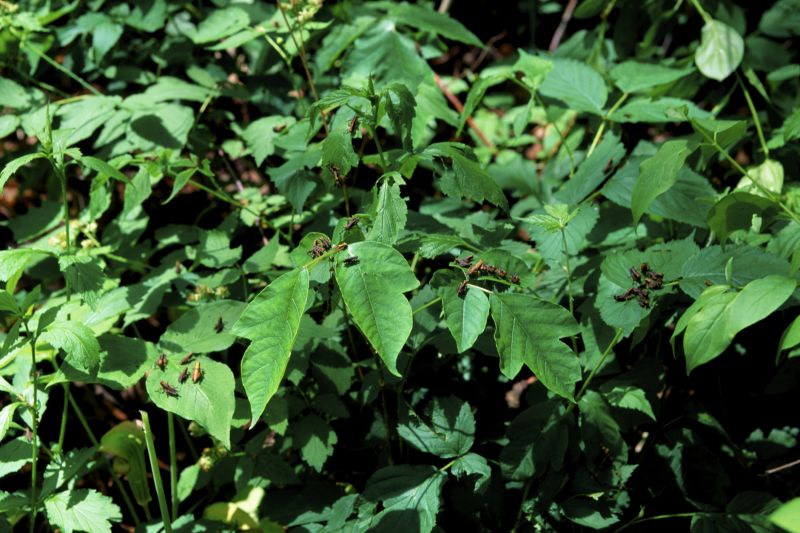
Poison ivy removal services focus on safely eliminating this invasive plant from residential properties, helping homeowners maintain a safe and attractive outdoor environment. These services typically cover projects such as clearing poison ivy from yards, gardens, fences, and around trees or structures. Property owners should understand that effective removal involves identifying all affected areas, especially in hard-to-reach spots, to prevent regrowth and reduce the risk of skin irritation or allergic reactions.
Before requesting poison ivy removal, homeowners often want to know about the methods used to ensure safety and thoroughness, as well as any precautions needed during and after the process. It’s important to clarify whether removal includes root eradication to prevent future growth and to discuss any potential impact on surrounding plants or landscaping. Proper removal helps maintain property safety and aesthetic appeal, making it easier to enjoy outdoor spaces without concern about contact with this troublesome plant.
Many property owners in Delaware County, PA look into Poison Ivy Removal for repairs, replacements, upgrades, and appearance-related improvements.
Common Poison Ivy Removal Jobs
Poison Ivy Removal - safely eliminates invasive plants from yards and landscapes.
Yard Clearing - removes poison ivy from lawns, gardens, and wooded areas.
Property Maintenance - prevents regrowth by removing roots and underground vines.
Landscape Restoration - restores natural beauty after poison ivy removal.
Safety Clearing - clears hazardous plants near pathways and recreational areas.
Vegetation Management - controls and prevents future poison ivy growth on properties.
Poison Ivy Removal Questions
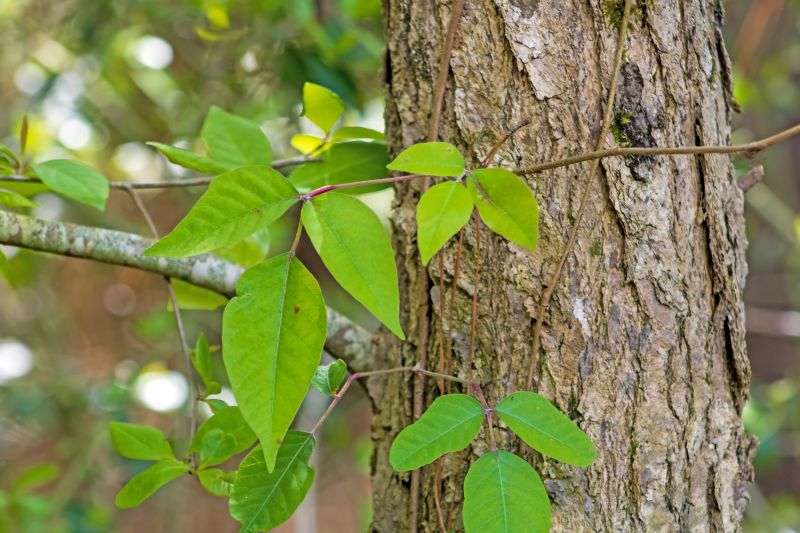
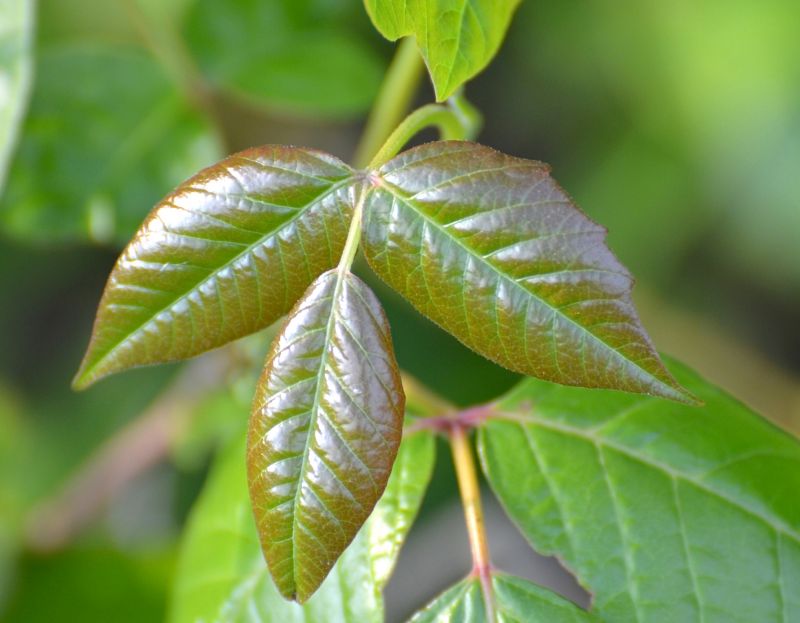
What is poison ivy removal? Poison ivy removal involves safely eliminating this plant from a property to prevent skin irritation and environmental spread.
Why should poison ivy be removed? Removing poison ivy reduces the risk of skin reactions and prevents the plant from spreading to other areas of the property.
What areas are typically treated for poison ivy? Common treatment areas include yards, fences, along pathways, and around trees or shrubs where the plant is growing.
How is poison ivy removal performed? Removal typically involves carefully cutting and removing the plant, followed by proper disposal to prevent regrowth and spread.
Request Poison Ivy Removal in Delaware County, PA
Use the quote form on this page to share the basics of your project and request more information for the type of work you need.